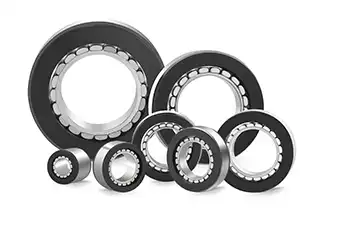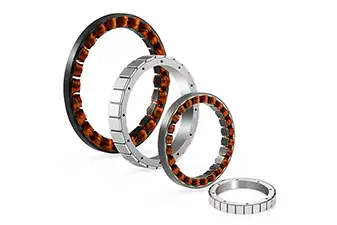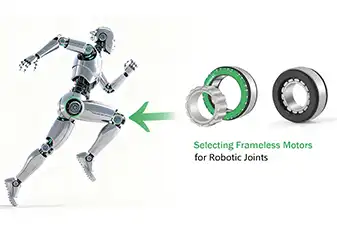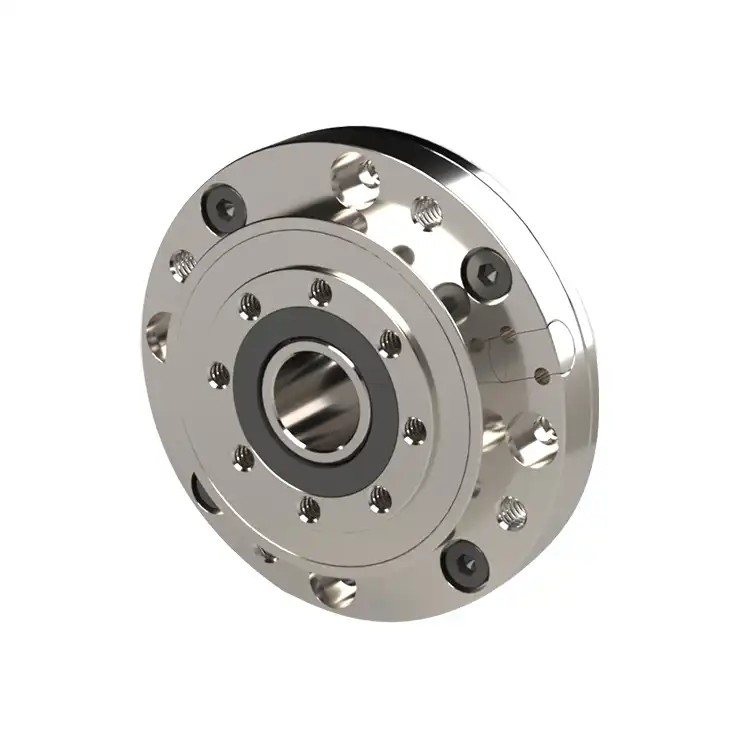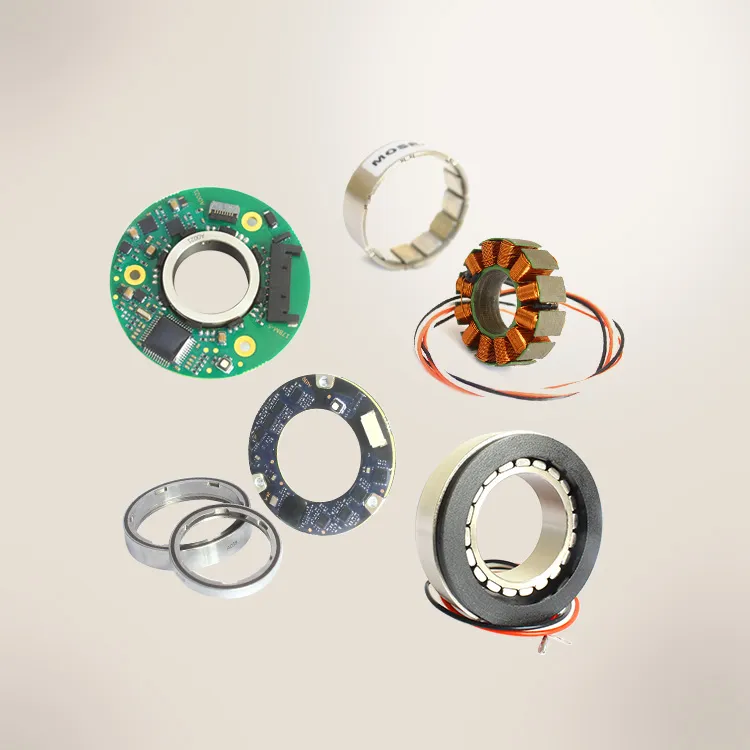
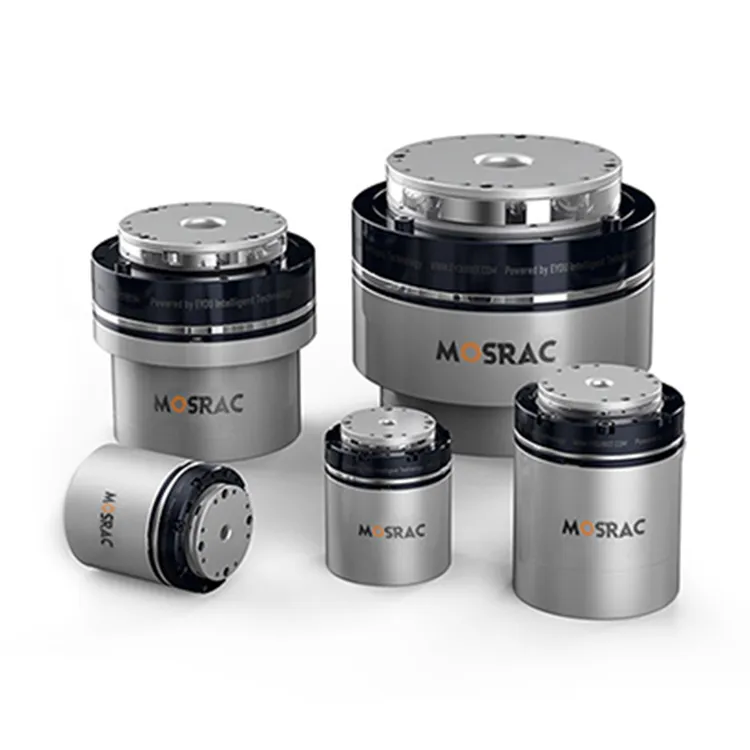
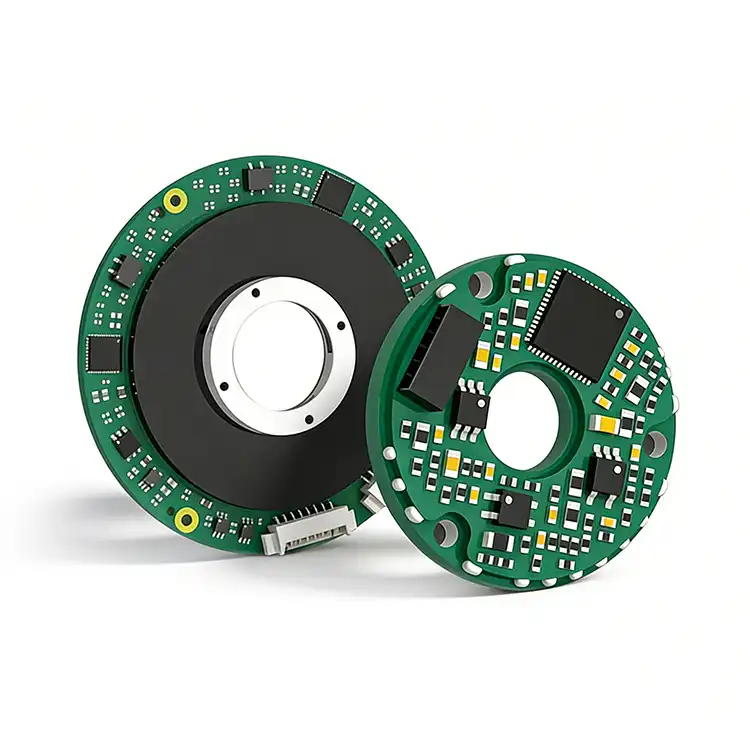
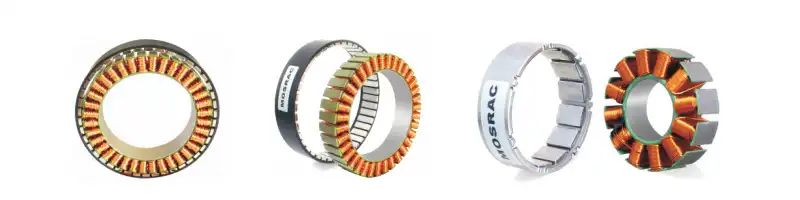
Differences Between Internal Rotor Motor and External Rotor Motor explained. Learn how they compare in speed, torque, and performance to choose the right motor for your application.
Rotor motors are the driving force behind many electric drive systems. They are used to convert electrical energy into rotational motion. Chances are, if a system uses motion, it likely depends on a motor.
Rotor motors fall under two main categories: internal rotor motors and external rotor motors. While they do have the same components and function on the same electromagnetic principle, the difference in rotor position significantly affects the performance of these two types of motors. The performance characteristics that are mainly affected include speed, torque, and the responsiveness of the motor.
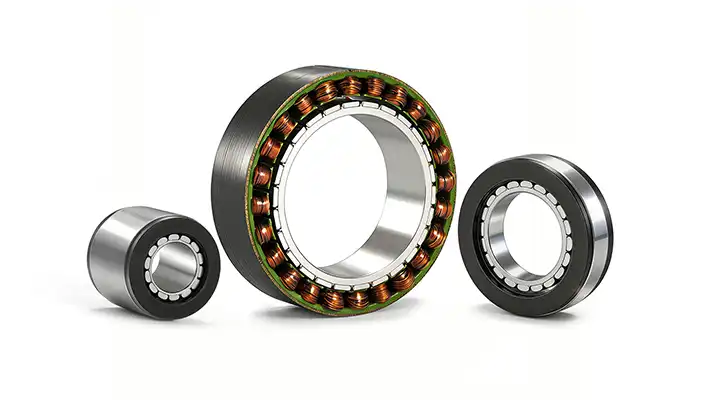
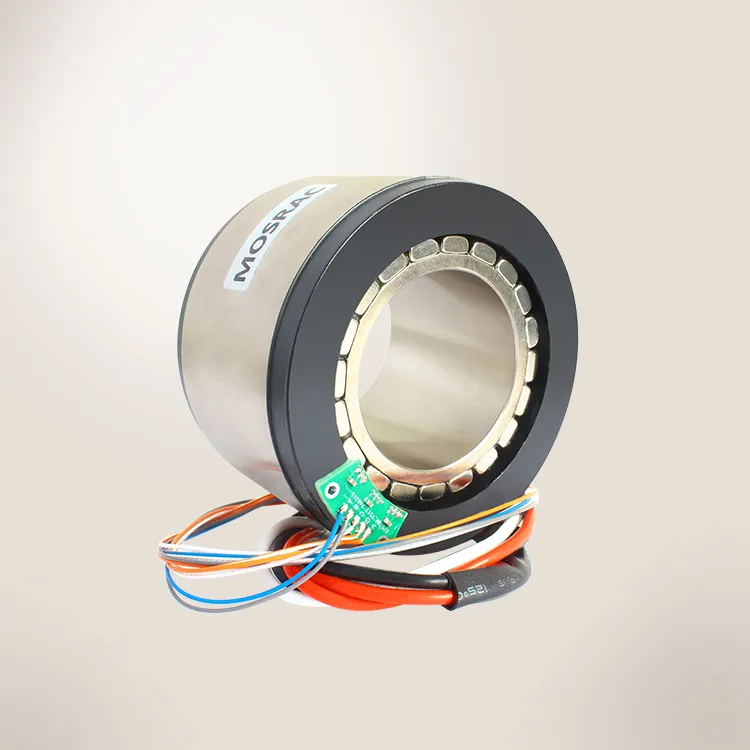
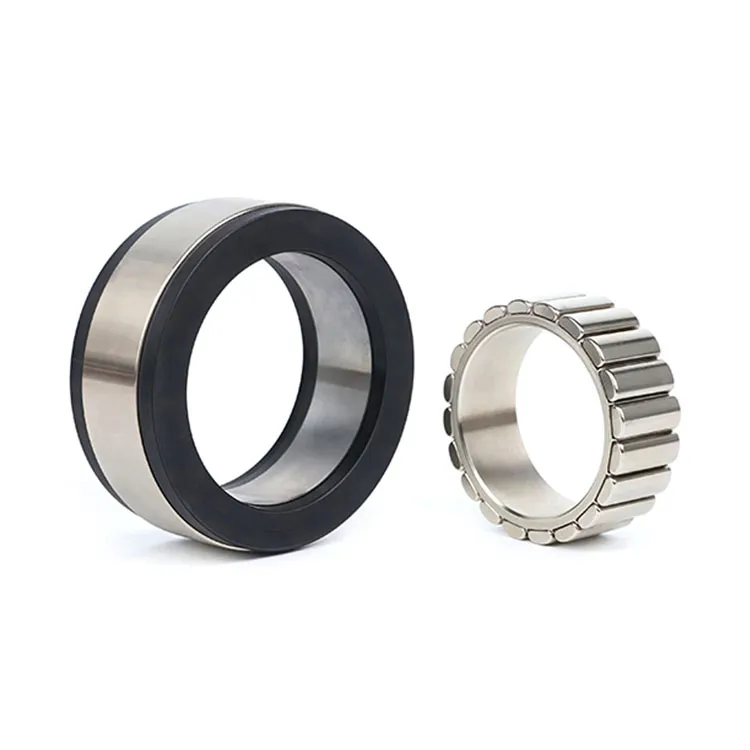
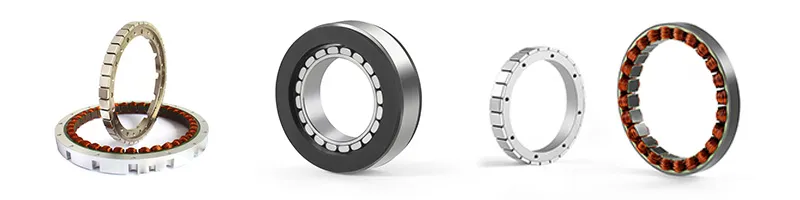
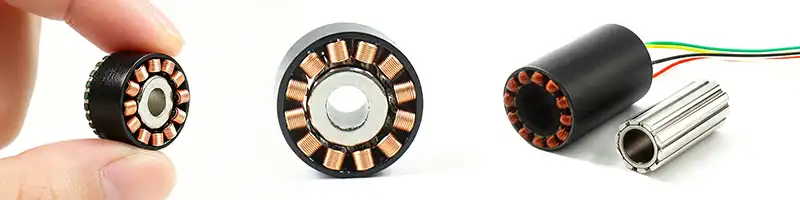
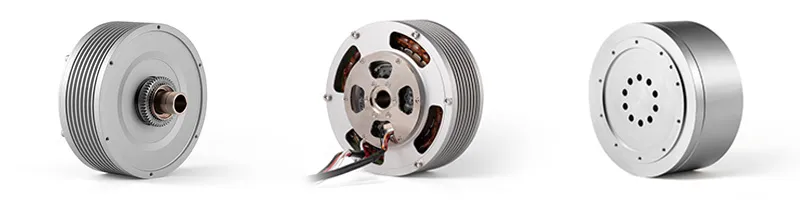
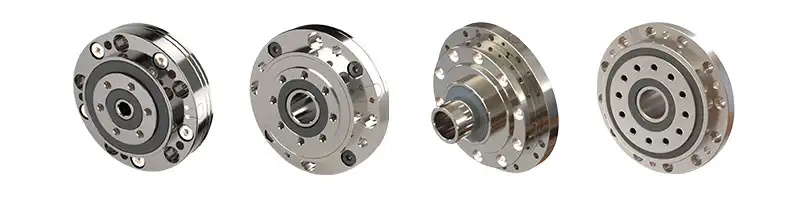
Frameless Internal Rotor Motors
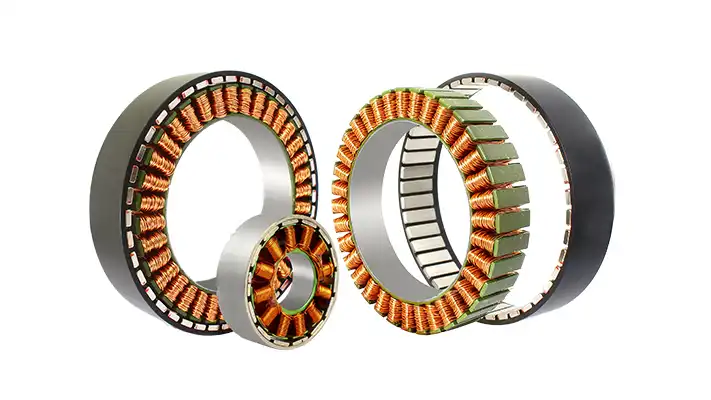
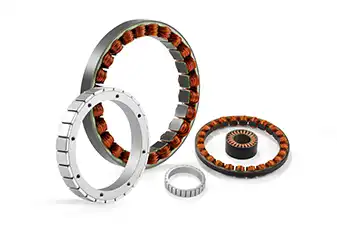
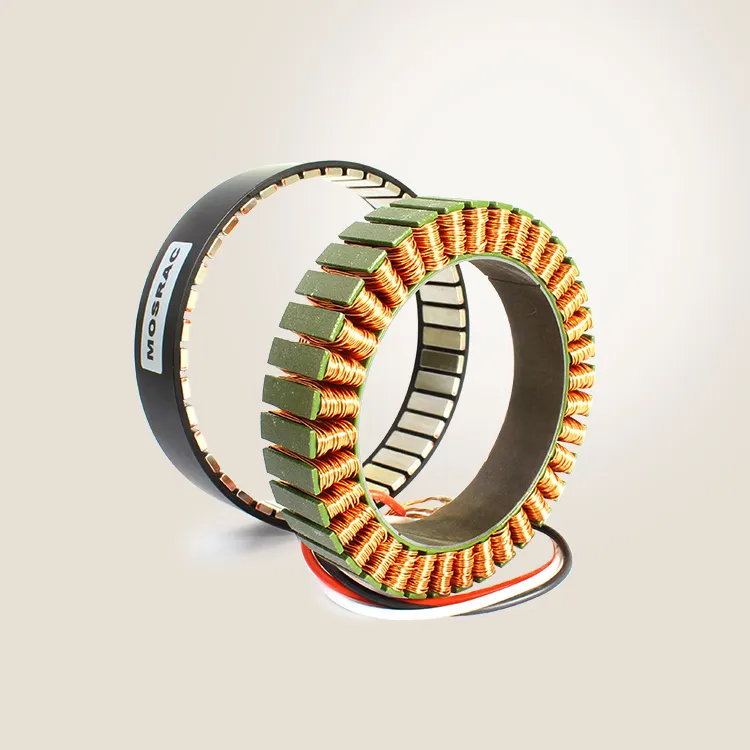
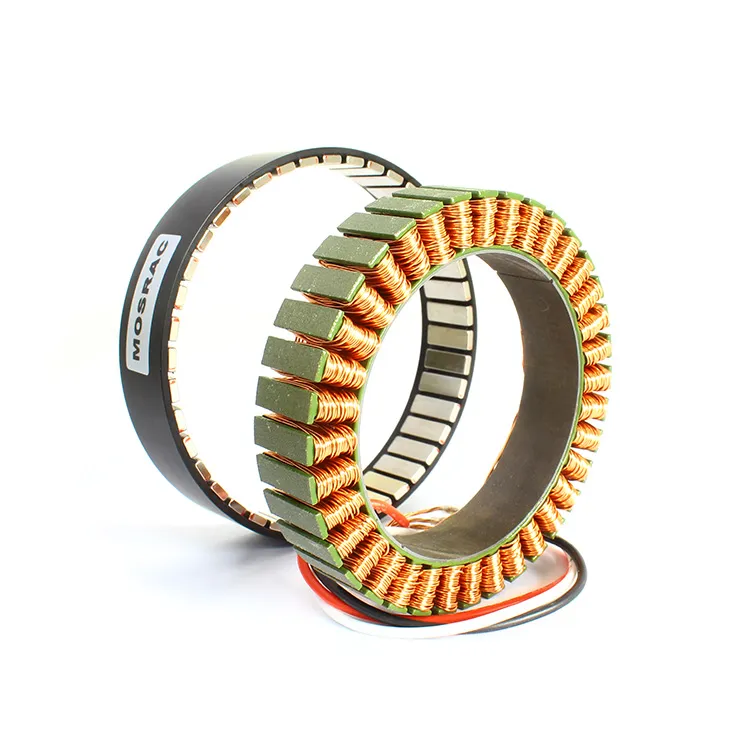
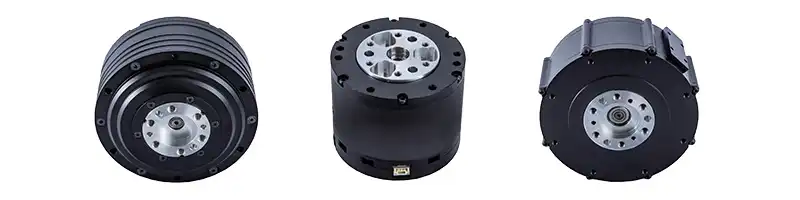
Frameless External Rotor Motors
It’s very important to understand the differences to select the right motor for your application, since the motor choice will have a direct impact on system efficiency. This rotor motor selection guide focuses on comparing internal and external rotor motors, helping you choose the right option based on your application requirements.
What is a Rotor Motor?
By definition, a rotor motor is a device that is used to convert electrical energy into mechanical motion. This is achieved through electromagnetic interaction. To understand how this works, we need to understand the function of its two main components: the rotor and the stator (seen in Figure 1).
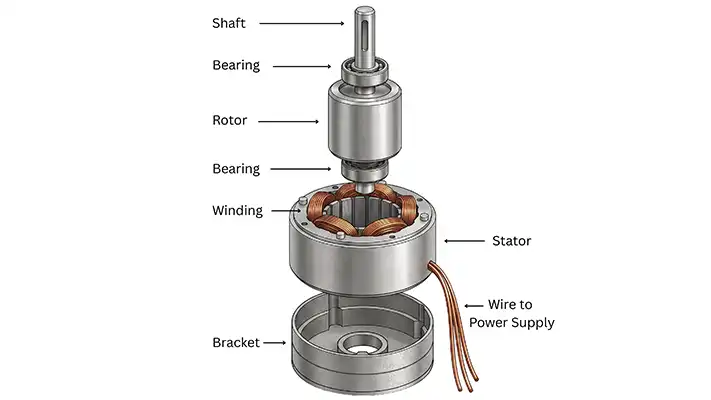
Figure 1. A Rotor Motor and Its Components.
The rotor is the component that moves. It turns in response to magnetic forces. The stator, on the other hand, is the immovable or static part of the motor that is used to generate the magnetic field through the current in its windings. The rotor is designed to respond to this magnetic force.
In induction motors, the stator’s magnetic field induces an electric current within the rotor itself, which then creates its magnetic field; whereas with permanent magnet motors, the rotor already contains magnets.
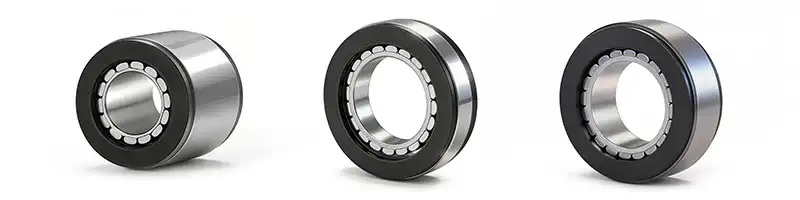
However, both induction and permanent magnet motors have the same key idea: the rotor experiences a magnetic force that tries to align it with the rotating magnetic field of the stator. This causes the rotor to start to move. The stronger the magnetic field interaction, the more speed and torque the motor can produce. As the rotor rotates, it spins a connected shaft, which transfers this motion to whatever the motor is powering. This could be anything from a fan blade to a pump or even the wheels of an electric vehicle. Supporting components like bearings ensure that this rotation happens with minimal friction and energy loss.
What is an Internal Rotor Motor?
In an internal rotor motor configuration, the rotor is inside the stator, as seen in Figure 2. This is the more traditional rotor motor design and is widely used in applications like industrial machinery, compressors, pumps, and more. In more advanced systems, this configuration is often implemented as a frameless motor, allowing for direct integration into the machine design.
With internal rotor motors, when the stator generates its magnetic field, the inner rotor spins inside the stator and drives the central shaft. Because the rotor is relatively small in diameter, these motors can achieve higher rotational speeds and respond quickly to changes in load or control signals. This is why they are typically used in applications where speed is more important than raw torque.
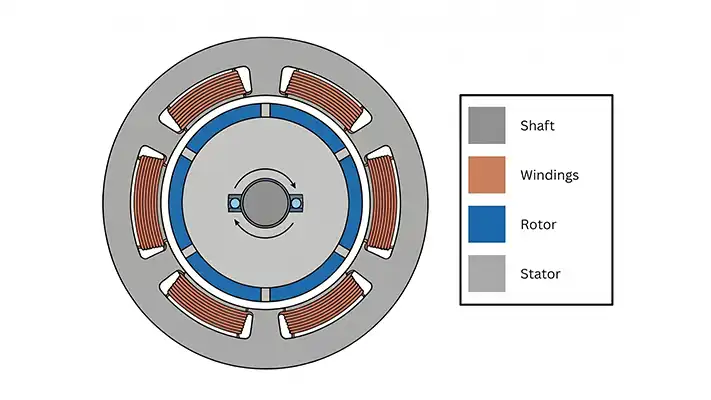
Figure 2. Schematic of an Inner Rotor Motor.
What is an External Rotor Motor?
External rotor motors are designed to have the stator in the middle, and the rotor then forms the rotating shell around it. Instead of spinning a small inner core, as with internal rotor motors, the entire outer housing rotates. With this design, the effective radius at which the force is applied is increased, which produces higher torque at lower speeds. External rotor motors also have higher inertia due to a larger rotating mass. This makes them smoother and more stable when in operation, but it comes with the downside of being slower to respond to rapid changes. These motors do well in applications like fans or ventilator systems that require steady torque and quiet operation.
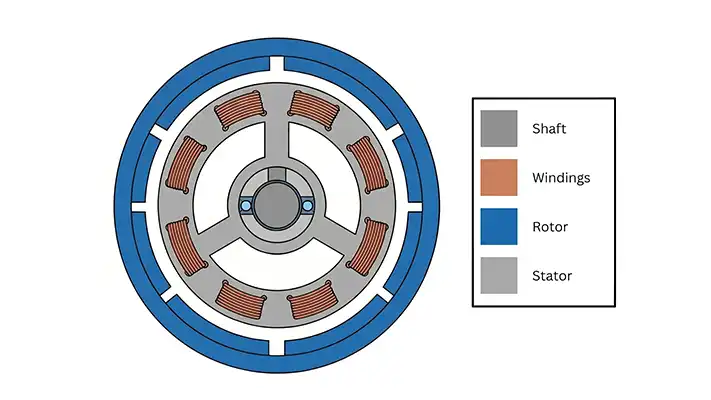
Figure 3. Schematic of an Outer Rotor Motor.
Core Differences Between Internal Rotor Motor and External Rotor Motors
At the most fundamental level, the difference between internal and external rotor motors comes down to how the components, specifically the rotor and the stator, are arranged. With an inner rotor motor, the rotor is placed at the center and rotates inside the stator, whereas for an external rotor motor, this is reversed. Here, the rotor rotates around the stator in the form of a housing.
While this may seem like a simple structural layout difference, it has a significant impact on how the motors perform in real-world applications. This is because geometry plays such a key role in the performance characteristics of these motors.
Here’s a quick look at all the key differences between internal and external rotor motors due to their design differences:
1. Torque and Speed
Torque is directly proportional to the radius at which force is applied, meaning that increasing this radius naturally increases the torque a motor can produce. In an external rotor motor, the rotor is positioned farther from the center, which increases the effective radius where electromagnetic forces act and results in higher torque output. In contrast, internal rotor motors have a smaller rotor radius, which limits their torque for the same electromagnetic conditions but allows them to achieve higher rotational speeds due to the reduced mass and lower centrifugal forces.
2. Inertia
The geometry of the motor also has a direct impact on rotational inertia. When more mass is positioned farther from the center, inertia increases, which resists changes in motion. This is exactly what happens in external rotor motors, where the outer rotor design leads to higher inertia and results in smoother, more stable operation. In contrast, internal rotor motors have a more compact rotor with mass concentrated closer to the center. This is why internal rotor motors have lower inertia. It allows for faster acceleration and more responsive control.
3. Heat Dissipation
With rotor motors, heat dissipation mainly comes down to where the stator and windings are positioned, and how easily heat can escape the motor. In internal rotor motors, the stator is located on the outside, which gives it a larger surface area exposed to the environment. Since the windings are closer to the outer casing, heat can be dissipated more easily through the motor housing. This results in more efficient cooling and makes internal rotor motors well-suited for continuous operation under high loads.
In external rotor motors, the stator is positioned on the inside, which creates a longer path for heat to travel before it can be released. Because of this, these motors often rely on internal airflow, ventilation, or axial heat dissipation to manage temperature. As a result, their cooling efficiency is generally lower.
4. Size
Internal rotor motors tend to have a smaller design compared to external rotor motors. The main reason for this is that with internal rotor motors, the rotor is placed inside the stator and has a lower overall diameter. With external rotor motors, the outer diameter is larger because the rotor surrounds the stator. Internal rotor motors are, therefore, a better option when it comes to small spaces.
5. Power Density
Power density refers to how much power a motor can deliver relative to its size or weight. A motor with high power density can produce more output without needing to be larger or heavier.
In internal rotor motors, power density is typically higher at high speeds. This is because the smaller, lighter rotor can spin faster and handle rapid energy transfer more efficiently. Combined with better heat dissipation through the outer stator, these motors can sustain higher power output in a compact design.
In external rotor motors, the focus shifts more toward torque rather than high-speed power. While they may not achieve the same high-speed power density as internal rotor designs, they offer strong torque density, meaning they can deliver high torque relative to their size without needing additional components like gearboxes. This makes them efficient in low-speed, direct-drive applications where steady power is more important than speed.
Advantages and Disadvantages of Internal and External Rotor Motors
Practically, positioning the rotor inside or outside the stator has its own advantages and disadvantages. Table 1 summarizes the advantages and disadvantages of internal- and external-rotor motors.
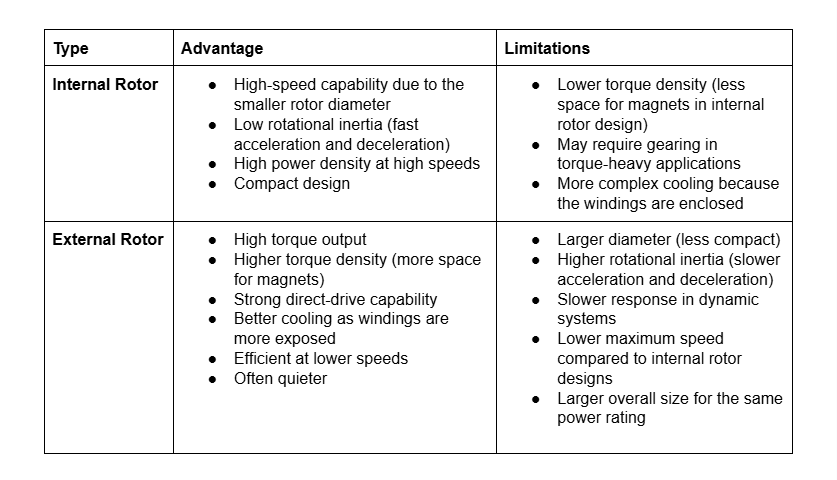
Table 1. Advantages and Disadvantages of Internal and External Rotor Motors.
When to Use Internal Rotor Motors
Internal rotor motors, due to their smaller diameter and lower inertia, perform well when speed, responsiveness, and even compact design is important in your application. They are ideal for systems that are more dynamic, where speed might change regularly, instead of steady performance.
Typical applications include:
● High-speed spindles
● Pumps and compressors
● Fans and blowers
● Robotics and automation systems
When to Use External Rotor Motors
External rotor motors, on the other hand, are the better choice for applications that requires high torque at lower speeds, smoother operation, and/or direct valve capabilities. They are capable of generating more torque without assistance from additional gearboxes thanks to their larger rotor radius. These motors perform particularly well in applications that require steady, consistent motion under load.
Typical applications include:
● Robotic joints
● Direct drive systems
● Automated guided vehicles (AGVs)
● Medical robotics
How to Choose the Right Motor for Your Application
Choosing between an inner and outer rotor motor basically comes down to matching the motor’s strengths to your application’s needs. A simple rule of thumb is:
If your application requires high speed, fast response, and precise control → choose an internal rotor motor
If your application requires high torque, smooth motion, and direct drive → choose an external rotor motor
To make this even clearer, here is a quick table you can use as a decision guide:
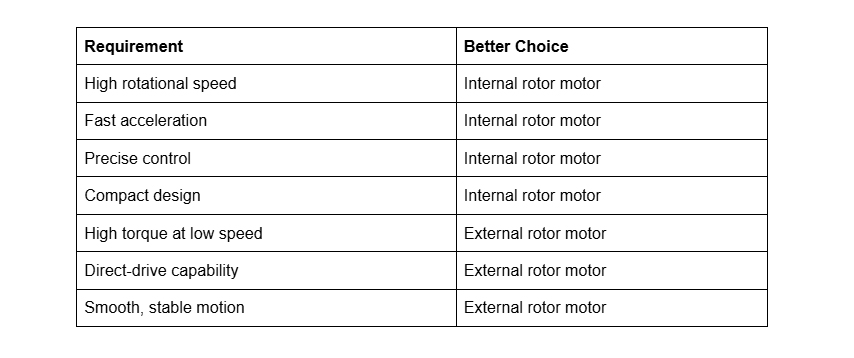
Table 2. External Rotor Motor vs. Internal Rotor Motor Selection Guide
In practice, selecting the right motor also depends on how easily it integrates into your system and whether it meets your specific performance requirements. The right sizing is also critical to get the best performance. You can read more about motor sizing in Mosrac’s motor sizing guide.
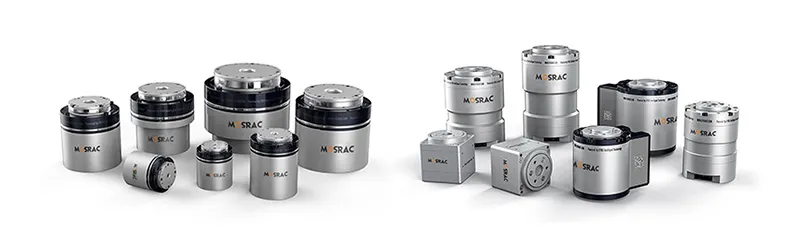
Mosrac offers both frameless internal rotor (inrunner) and frameless external rotor (outrunner torque) motors, allowing you to choose the right configuration without compromising on design constraints.
With outer diameter options ranging from 16 mm to 200 mm and multiple stack height configurations, you can fine-tune your motor selection based on torque, speed, and space requirements. Whether you need a standard solution or a more tailored design, this flexibility helps simplify integration and reduces the need for additional components or redesign later in development.
Conclusion
Mosrac offers a wide selection of both frameless internal and frameless external rotor motors, including frameless inrunner and outrunner designs. With outer diameter options ranging from 16 mm to 200 mm and multiple stack height configurations, you can select a motor that fits both your performance requirements and your packaging constraints.
If you’re evaluating motor options or working through a design trade-off, exploring both configurations early can help you avoid unnecessary redesign later in development.
Explore Mosrac’s internal and external rotor motor options to find the right fit for your application. If your design requires something more tailored, contact us to discuss custom frameless inrunner and outrunner motor solutions.