Why the Industry Needs Them
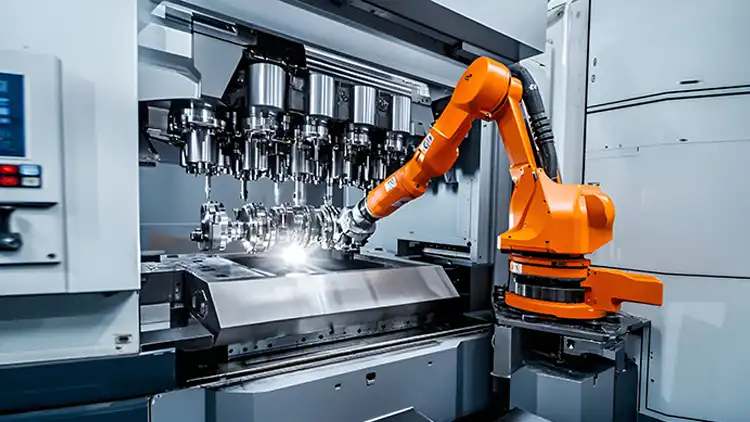
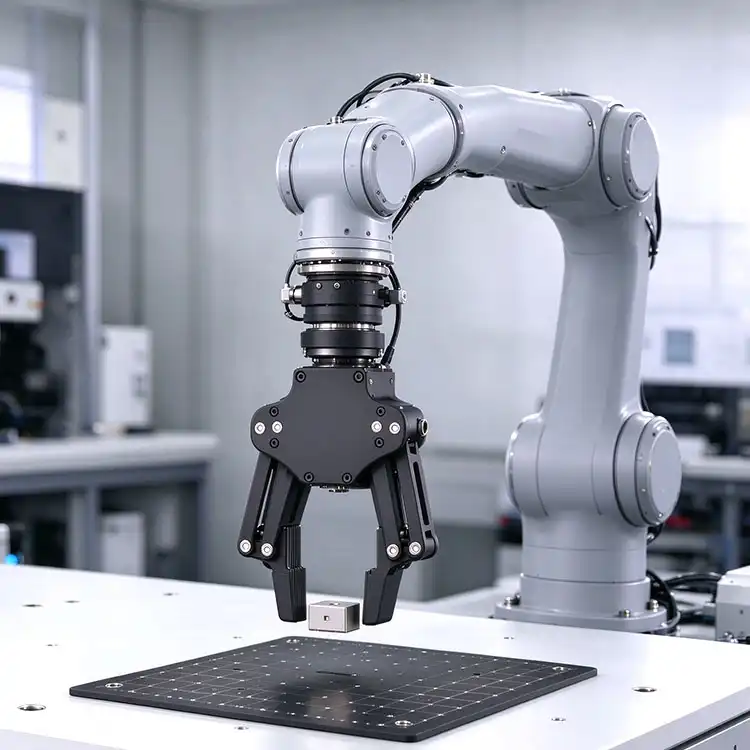
Robotic grippers pick, hold, and place parts in factories, labs, warehouses, and medical settings. The objects vary widely in shape, weight, and fragility.
Grip force must be controlled precisely. Too little force lets a part slip, while too much can damage it. The actuator also needs to respond quickly to keep cycle times short.
Space is limited. A gripper sits at the end of a robot arm, so extra weight reduces payload and adds load to every joint behind it. Designers need actuators that are compact, light, and easy to control.
What Frameless Motors Change
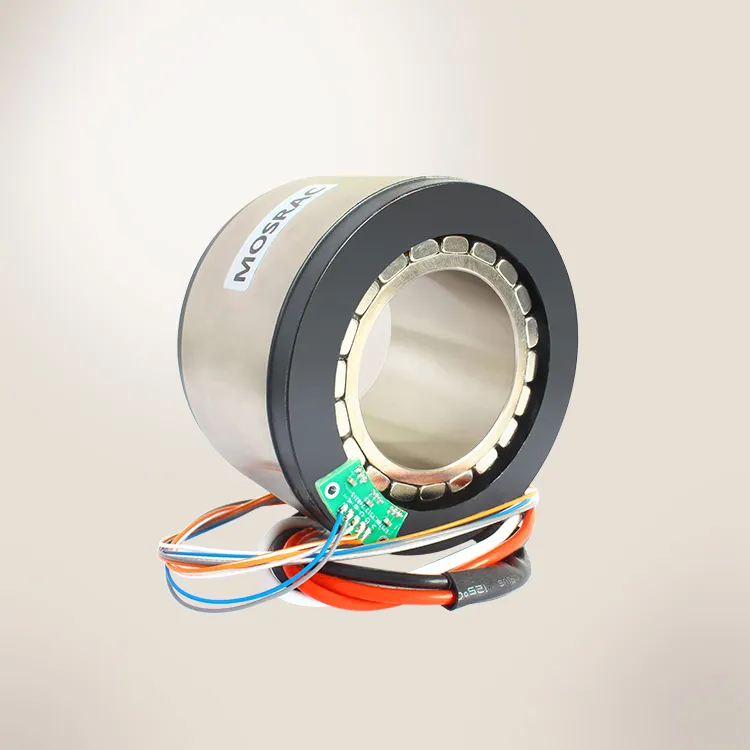
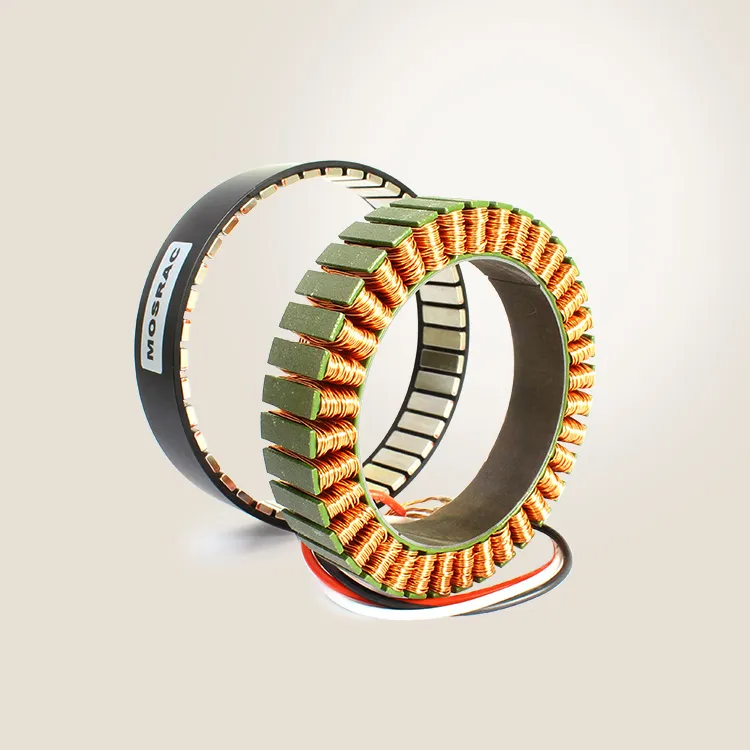
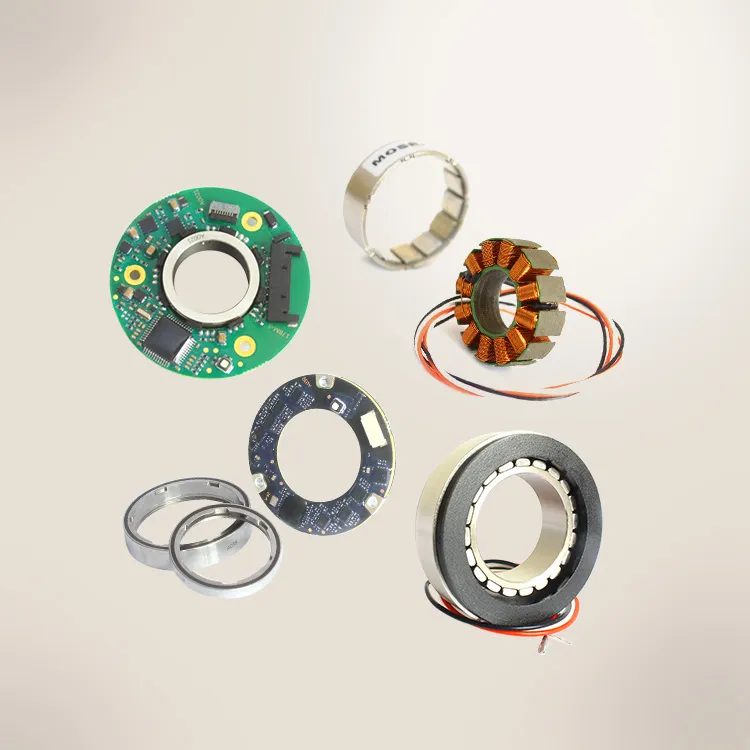
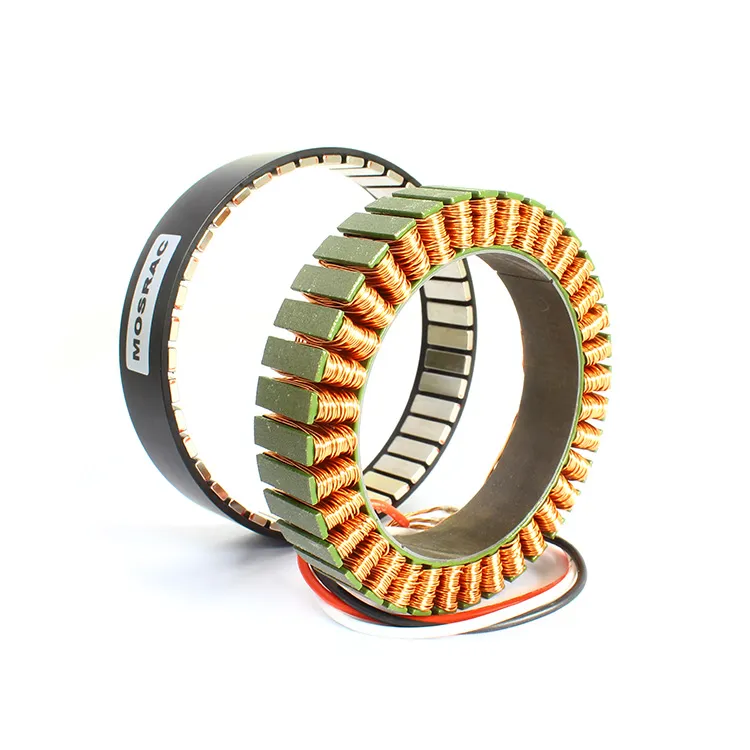
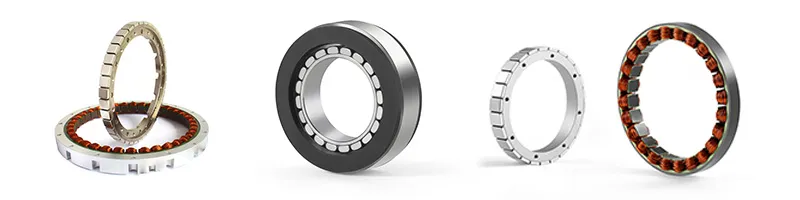
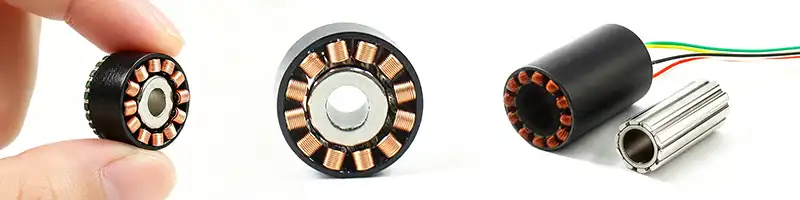
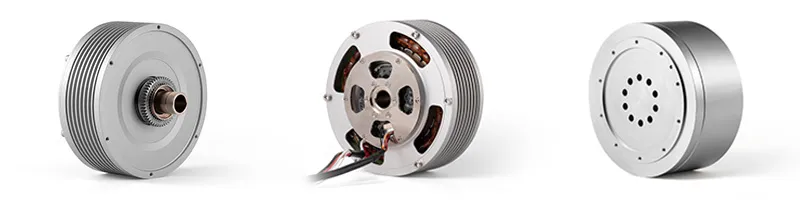
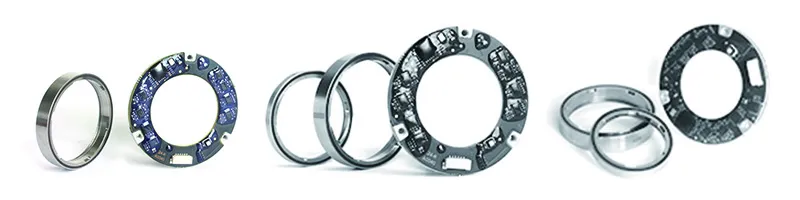
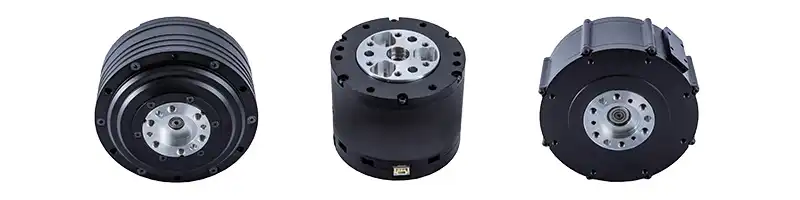
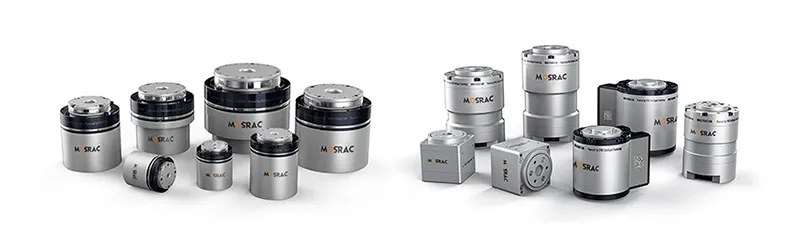
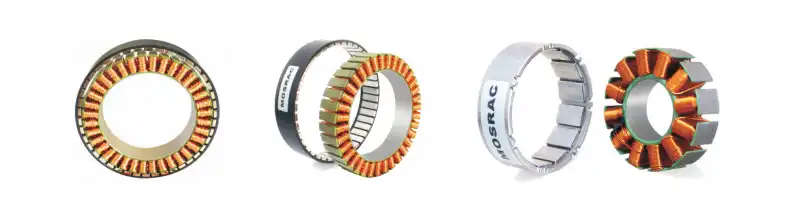
A frameless torque motor supplies only the rotor and stator. The designer builds them directly into the gripper body, without a separate motor housing or shaft.
This approach changes several things:
- Direct or low-ratio drive, which supports smooth force control.
- Slim, compact profile, which fits tight gripper housings.
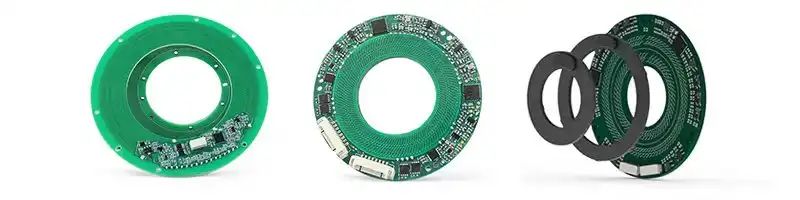
- Hollow bore, which allows cables and sensors to pass through the joint.
- Fewer parts, which reduces weight and simplifies assembly.
- Custom sizing, so the motor matches the finger or wrist design.
Looking Ahead
Grippers are being asked to handle more varied objects and work alongside people. These tasks call for finer force control and more compact designs.
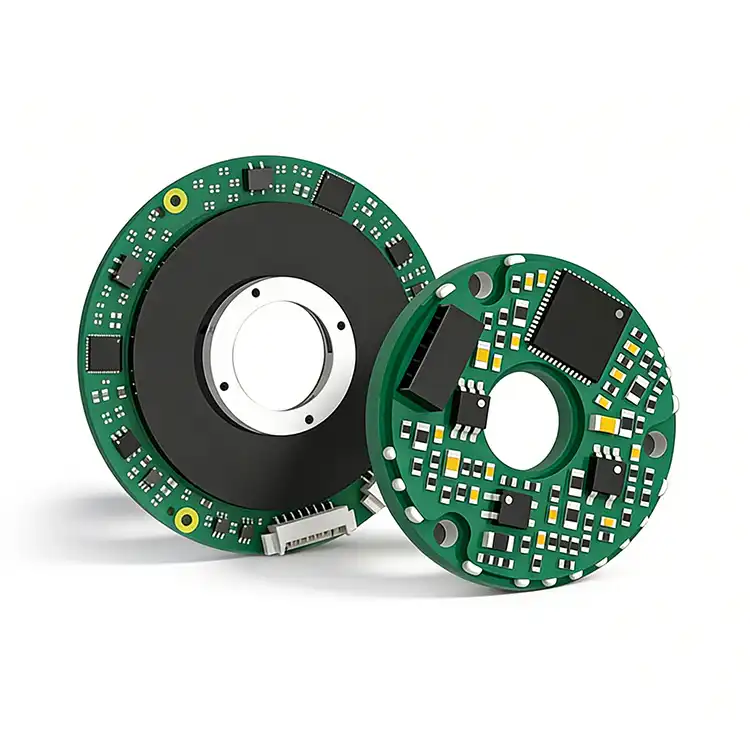
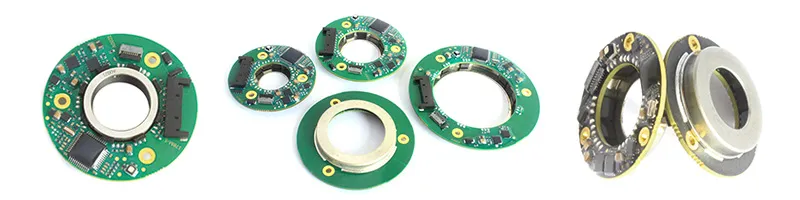
Frameless motors support this direction because they integrate easily with encoders and drives in a single module. They remain a practical option as gripper designs continue to evolve.