Why the Industry Needs Them
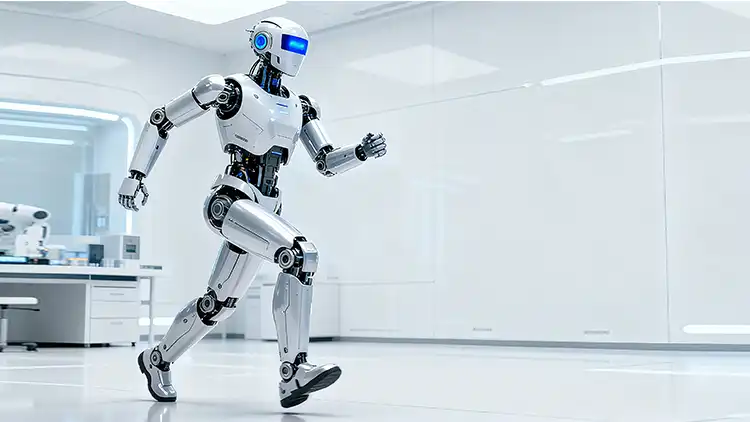
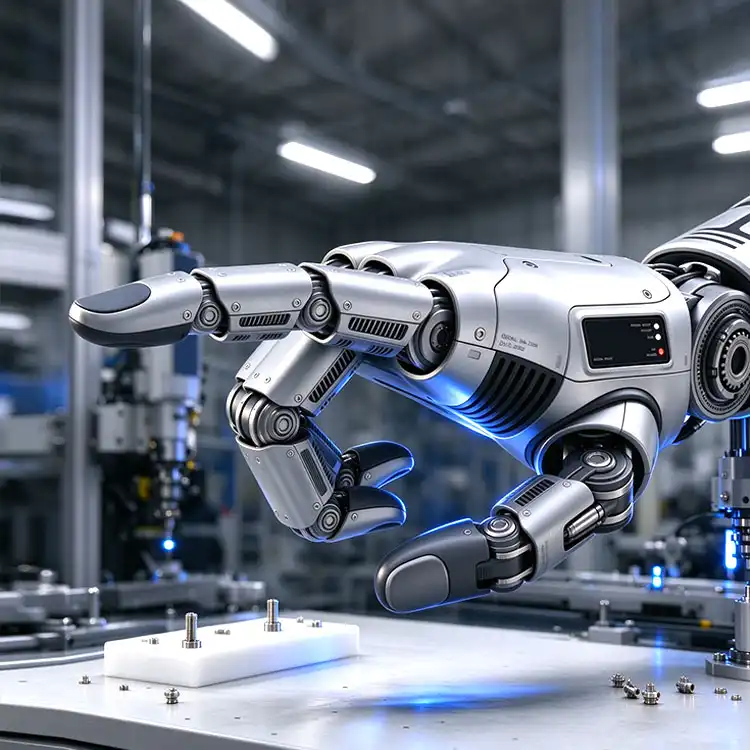
Dexterous hands are multi-fingered robotic hands designed to manipulate objects with a range of grasps. They are used in research, service robotics, laboratory automation, and humanoid robots.
A single hand may have 15 or more degrees of freedom, and each finger joint needs its own actuator. All of them must fit inside a palm and forearm that are close to human size.
Space and weight are the main constraints. Every added gram loads the wrist and arm, and a bulky actuator limits how many joints a hand can have.
Finger joints also need smooth torque and quick response to handle delicate objects and fine movements.
What Frameless Motors Change
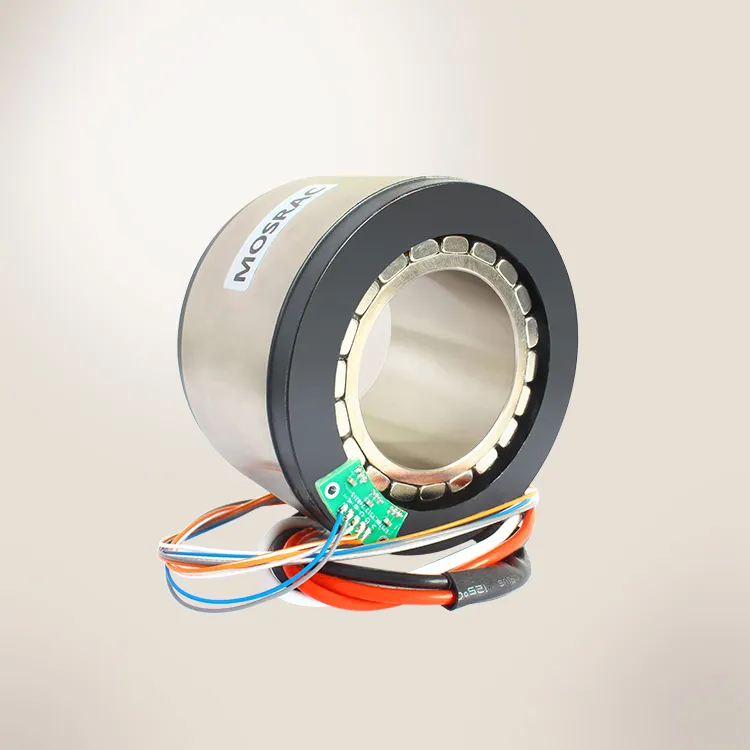
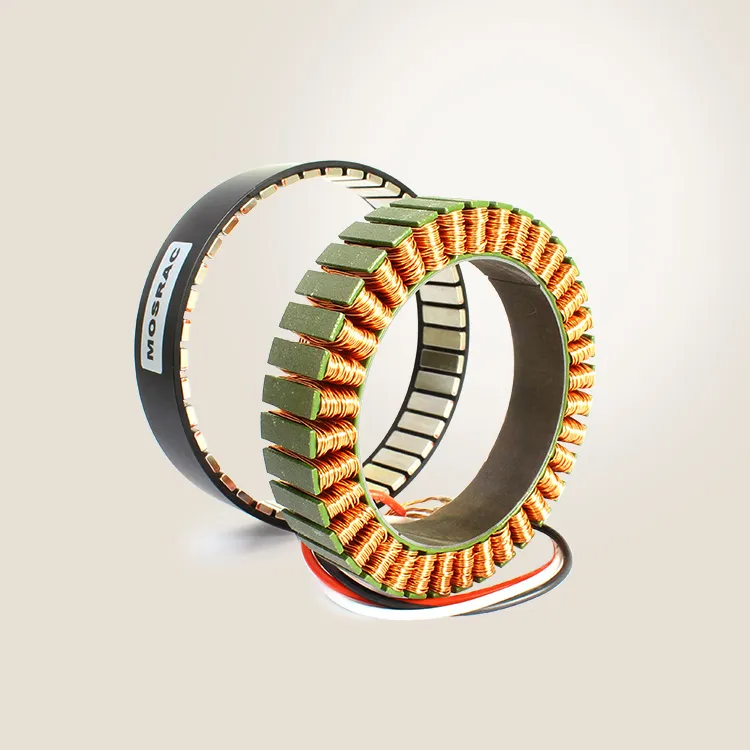
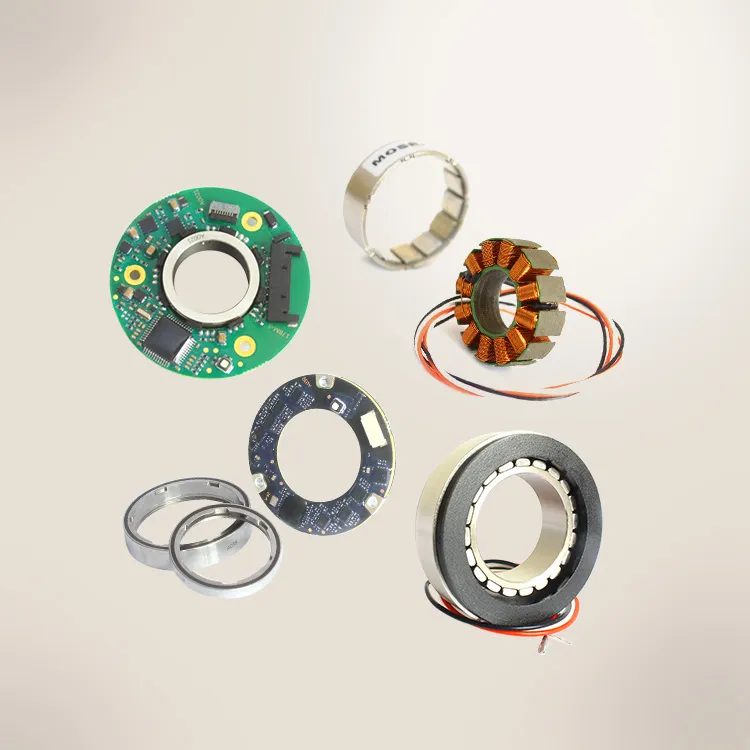
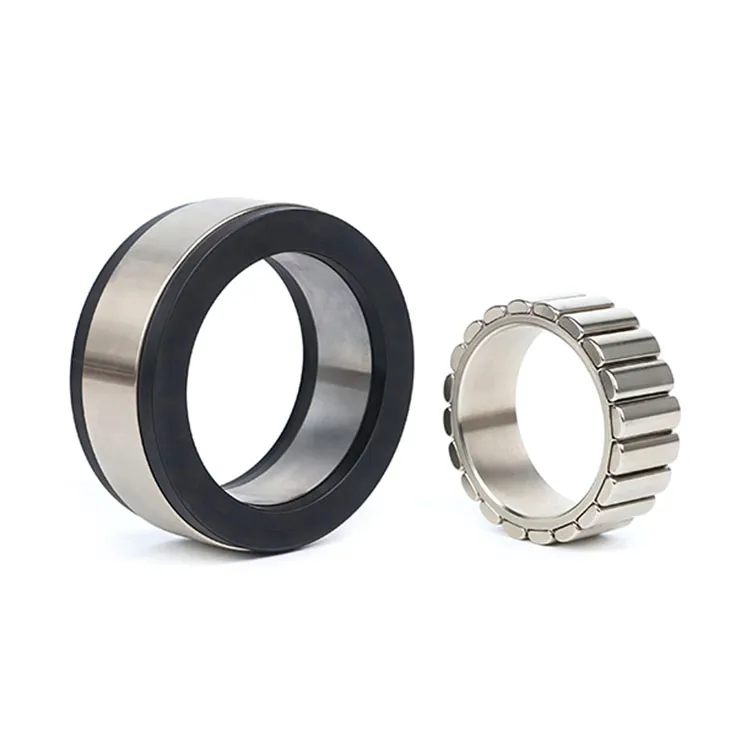
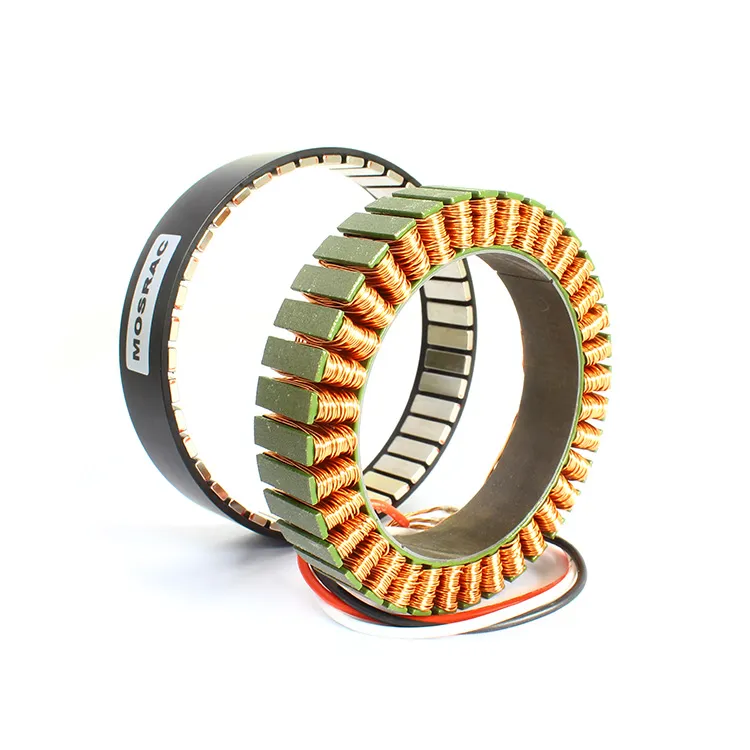
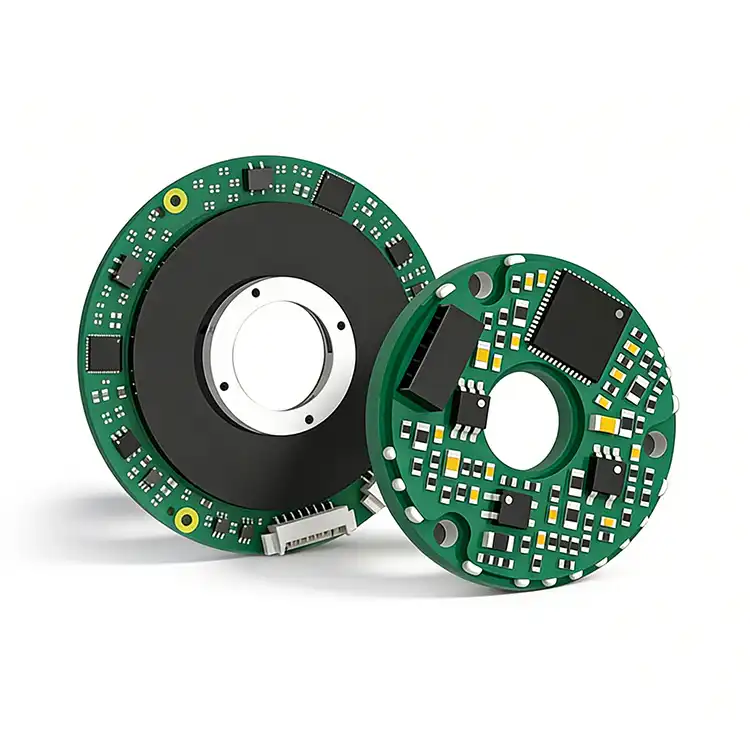
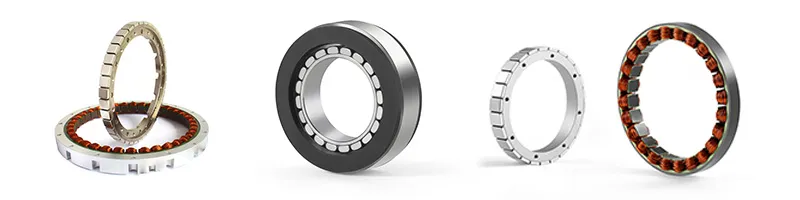
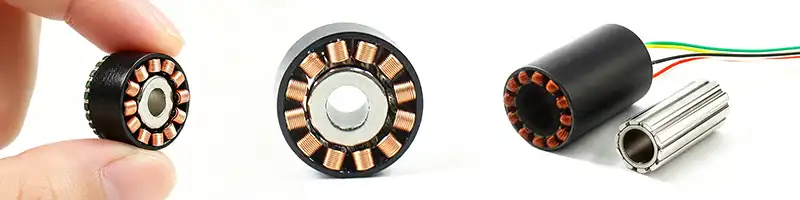
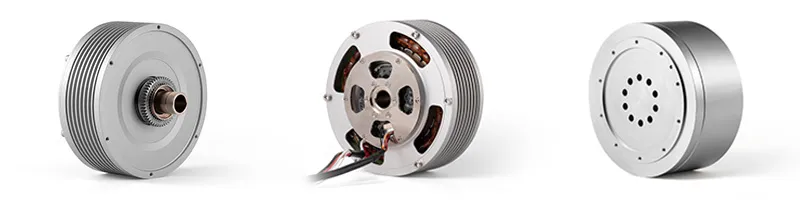
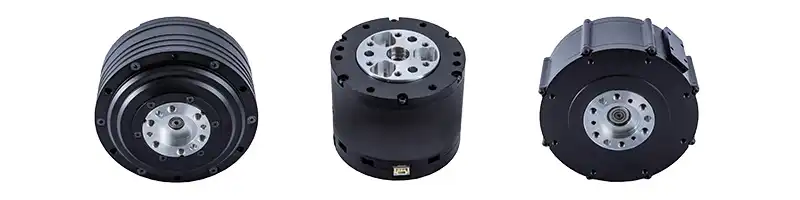
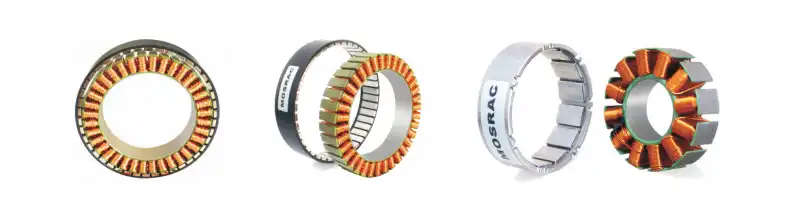
A frameless torque motor supplies only the rotor and stator. The designer builds them directly into the finger or palm structure, without a separate motor housing or shaft.
This approach changes several things:
- Compact, slim profile, which fits inside small finger and palm cavities.
- Direct or low-ratio drive, which supports smooth, controllable torque.
- Hollow bore, which allows wiring and sensor cables to pass through the joint.
- Fewer parts, which reduces weight and simplifies assembly.
- Custom sizing, so the motor matches each joint's available space.
Looking Ahead
Dexterous hands are moving toward more joints, finer control, and smaller form factors. These goals place more demand on actuator size and integration.
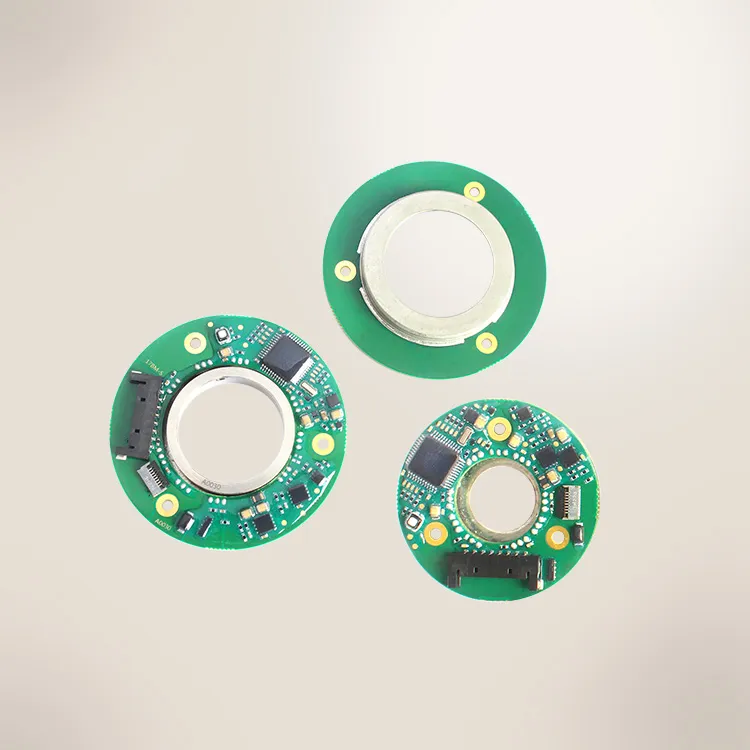
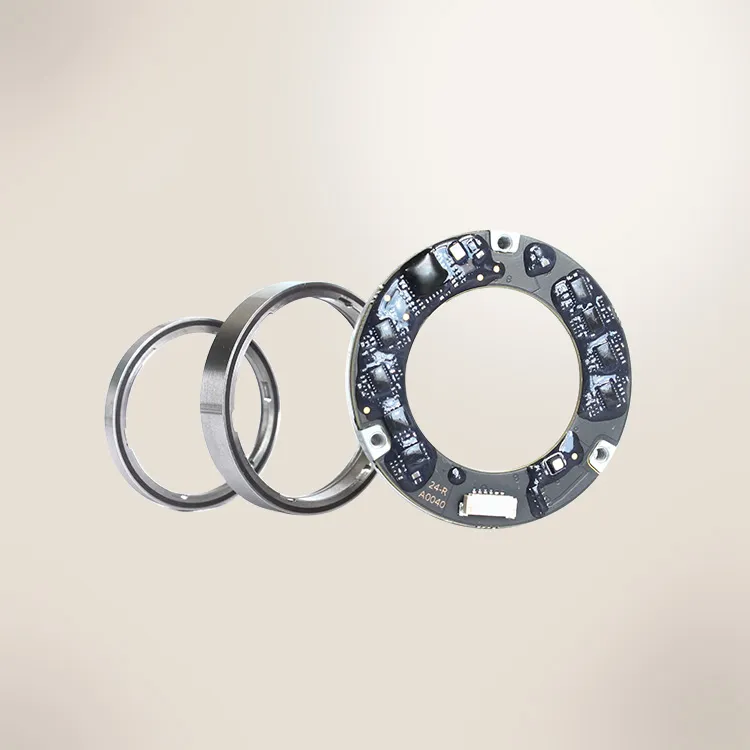
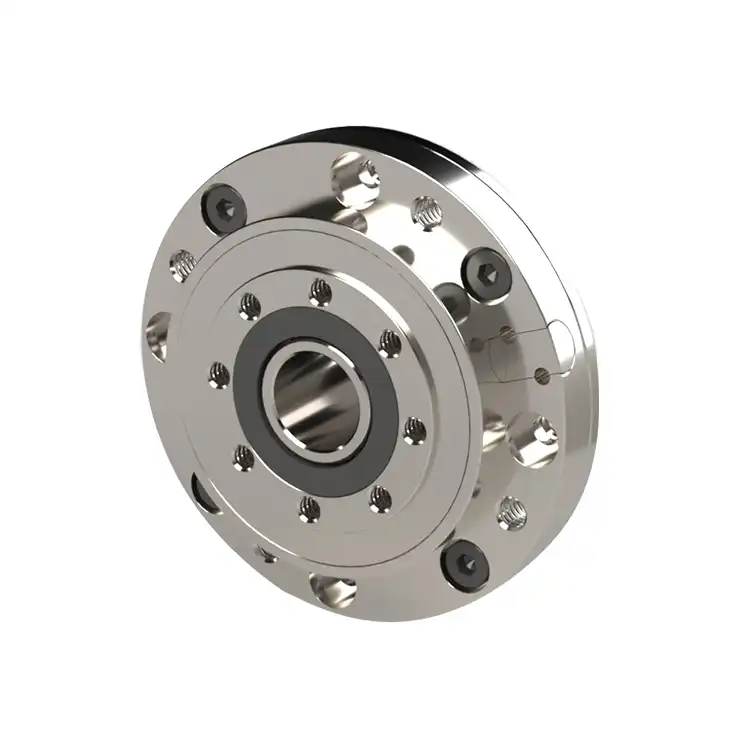
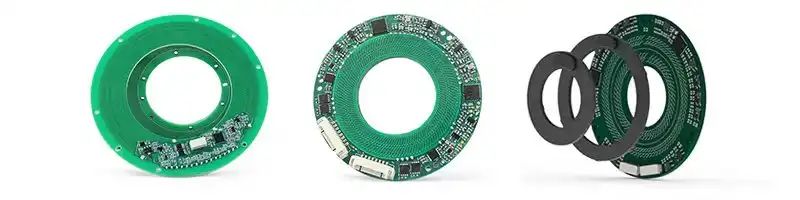
Frameless motors support this direction because they combine easily with miniature encoders, reducers, and drives in one joint module. They remain a practical option as hand designs continue to develop.
字数:约 215 words(含小标题)。
写作说明:结构与前几篇保持一致,方便统一排版。文中"15 个以上自由度"是对灵巧手的一般性描述,如果你希望更保守,可以改为 "many degrees of freedom"。如需加入 Mosrac 的具体参数(如 Ø12mm 起的小尺寸型号),可以发给我补充。