Why the Industry Needs Them
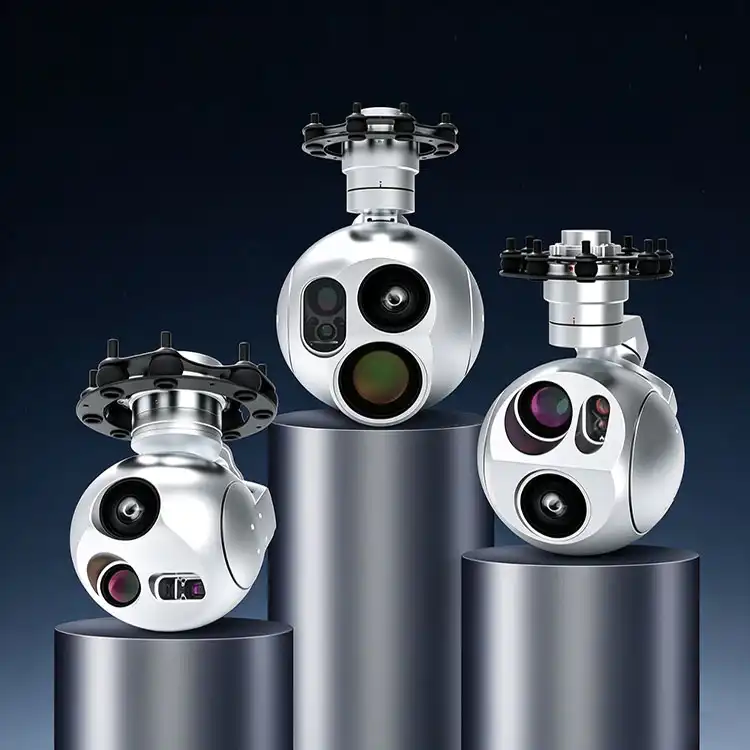
EO/IR gimbals carry electro-optical and infrared sensors on aircraft, vessels, ground vehicles, and fixed installations. Their job is to hold a line of sight steady while the platform vibrates and maneuvers.
Image quality depends on pointing accuracy and stabilization. Torque ripple, backlash, and friction in the drive train appear as jitter in the image, especially at long focal lengths.
Size and weight matter as well. On unmanned aircraft and handheld systems, added mass reduces payload capacity or flight time. Designers need actuators that are compact, light, and smooth.
Gimbals also operate across wide temperature ranges, so actuator performance must hold under harsh conditions.
What Frameless Motors Change
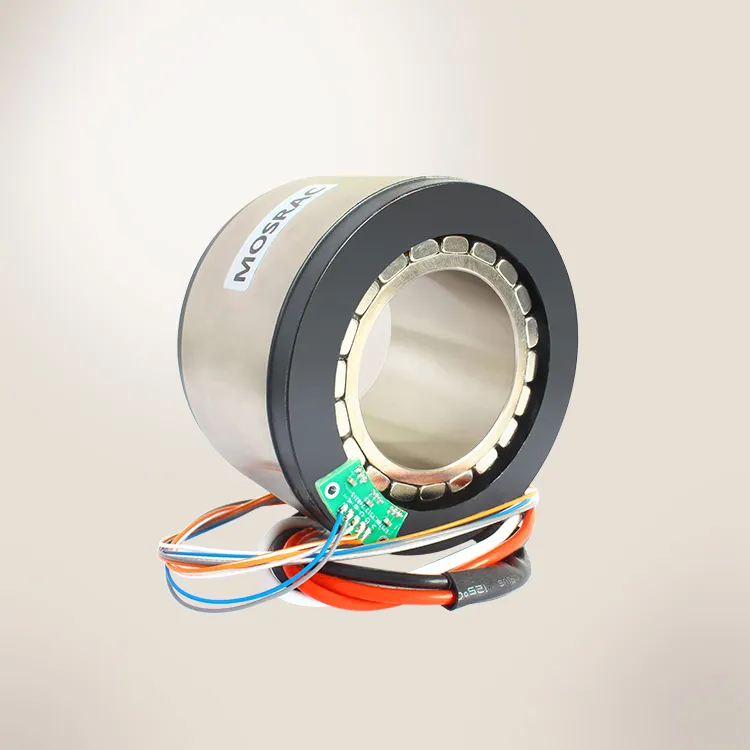
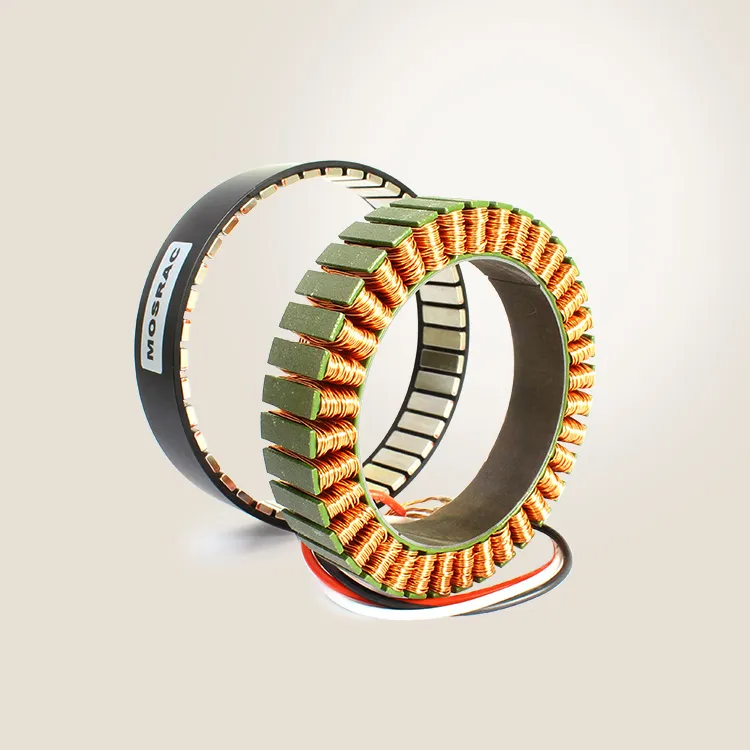
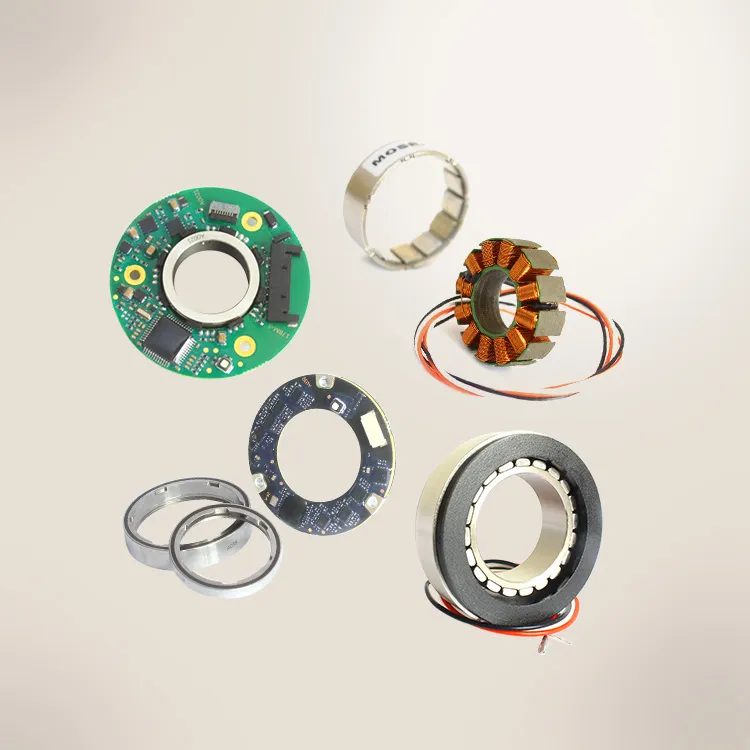
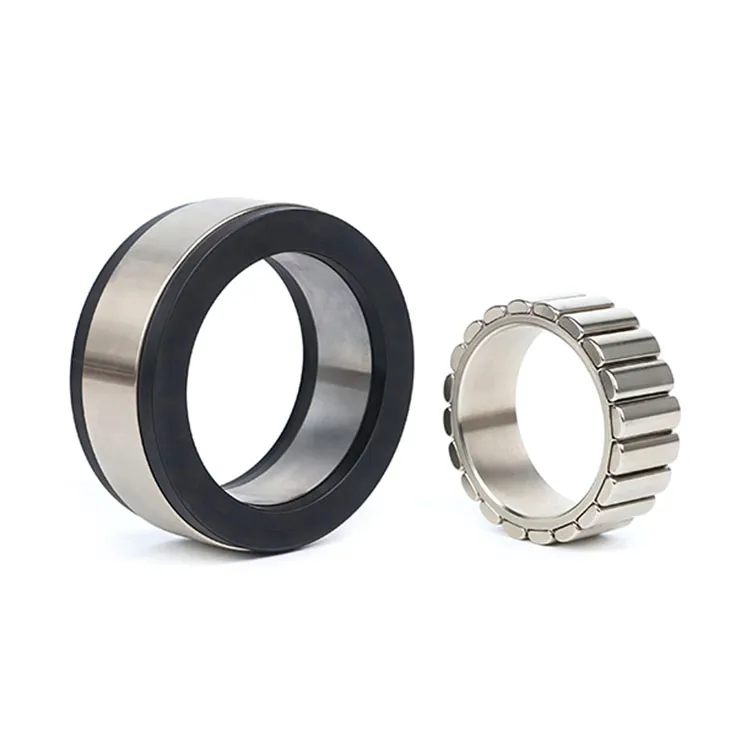
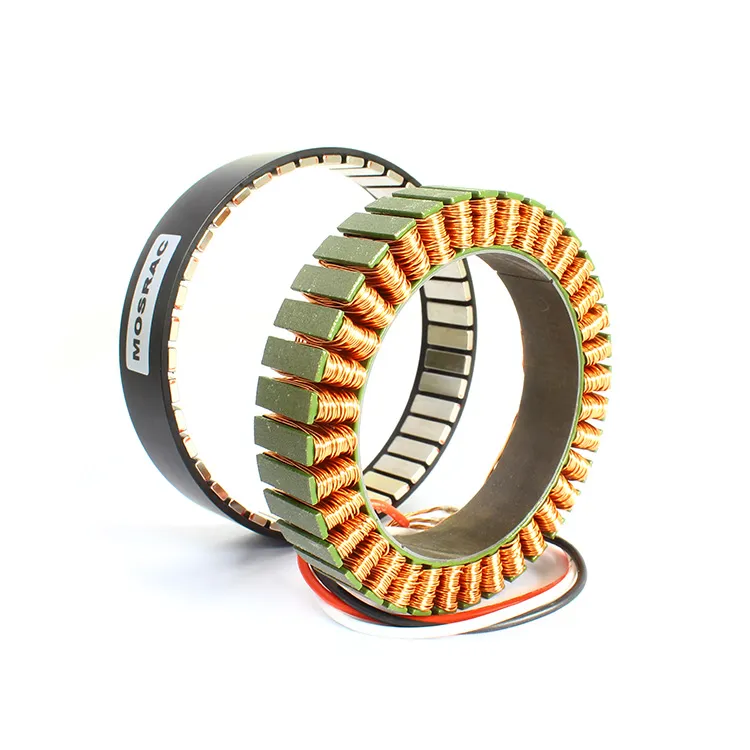
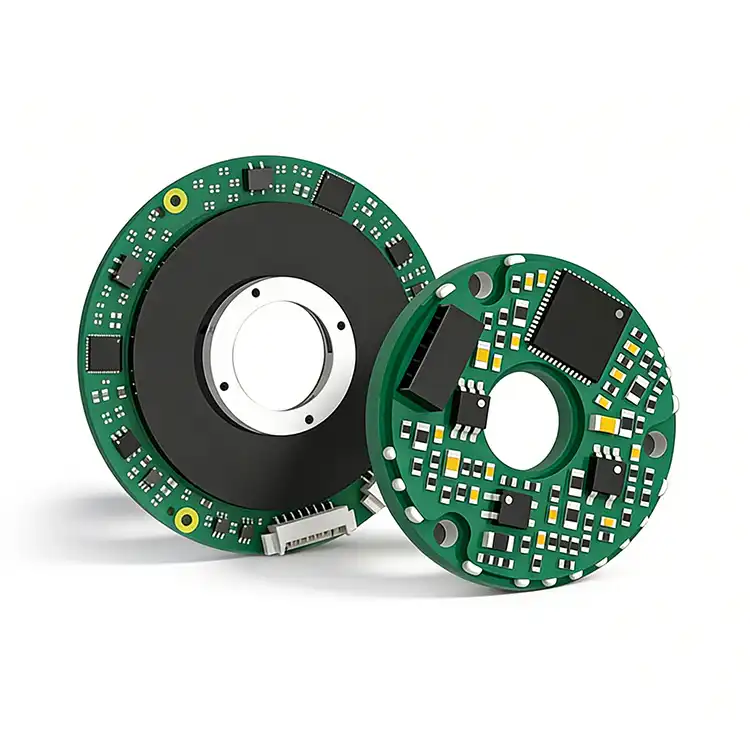
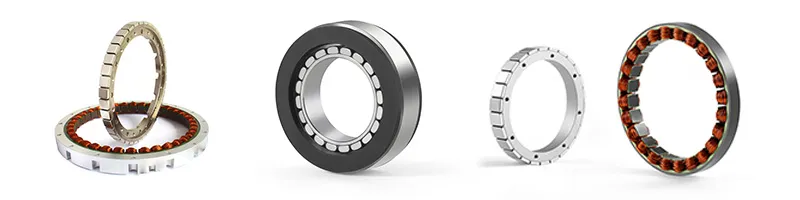
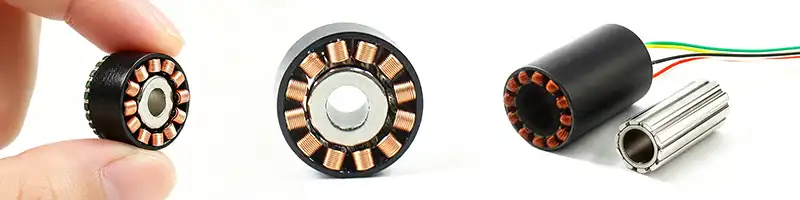
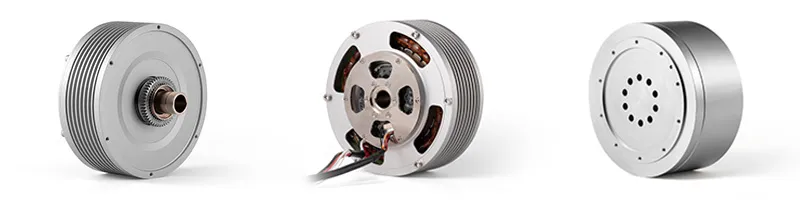
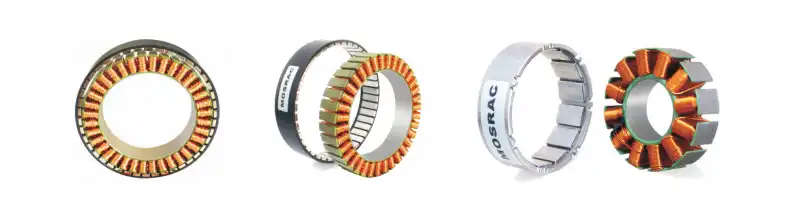
A frameless torque motor supplies only the rotor and stator. The designer integrates them directly into the gimbal housing, with the rotor mounted on the axis shaft.
This direct-drive design changes several things:
- No gearbox, so no backlash and fewer friction sources.
- Low cogging torque, which supports smooth motion at slow tracking speeds.
- Hollow bore, which lets cables, slip rings, and optical paths pass through the axis.
- Fewer parts, which lowers weight and simplifies assembly.
- High torque density, which allows small motors to move heavy sensor payloads.
- Direct coupling, which gives the control loop a stiffer, more responsive mechanical path.
- Custom sizing, so the motor fits the housing instead of the reverse.
Together, these features support tighter stabilization in a smaller, lighter package.
Looking Ahead
Compact, multi-sensor gimbals are used across defense, public safety, inspection, and mapping. Payloads are adding higher resolution, longer zoom, and combined visible, thermal, and laser ranging sensors. Each increase raises the stabilization requirement on every axis.
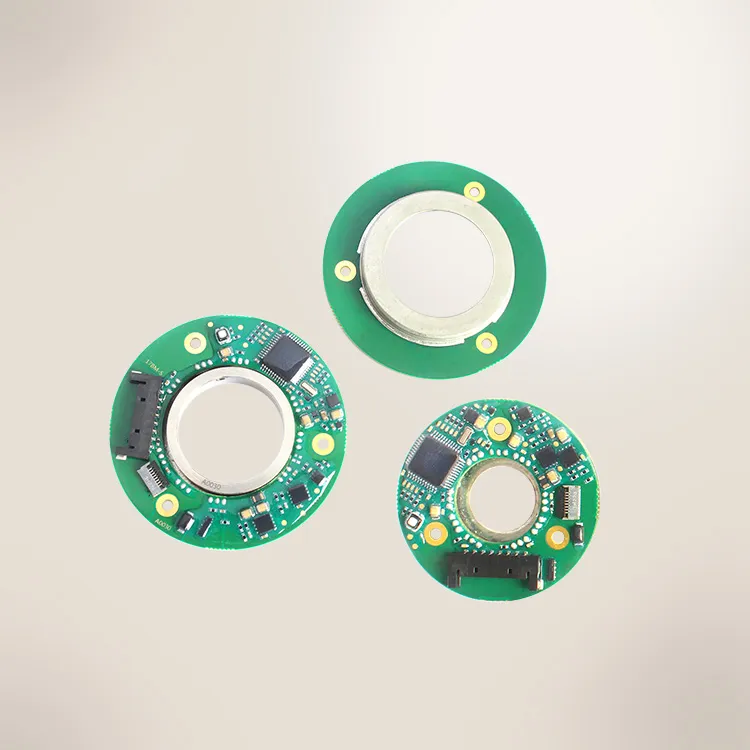
Frameless motors scale well with this trend. Designers can choose diameter, length, and torque rating for each axis, and pair the motor with a high-resolution encoder and a modern servo drive.
Direct-drive frameless designs are already common in precision stabilization, and they remain a practical choice as payloads shrink. Further progress in magnet materials, thermal management, and drive electronics will shape how far they can be pushed.